


The night sky has always fascinated people across the world. Among the many beautiful lunar events that appear throughout the year, the Strawberry Moon stands out as one of the most talked-about full moons. Every June, skywatchers eagerly await this glowing moon’s rise, filling the night with warmth, beauty, and mystery. But many people still wonder: why is it called Strawberry Moon?
Interestingly, the name has nothing to do with the moon turning pink or red like a strawberry. Instead, the Strawberry Moon carries deep historical, cultural, agricultural, and spiritual meanings that date back centuries. From Native American traditions to modern astrology, this special full moon has become a symbol of seasonal change, abundance, emotional growth, and connection with nature.
In this article, you will discover the ancient history behind the Strawberry Moon, why it received its unique name, the spiritual symbolism associated with it, and fascinating facts that make June’s full moon one of the most admired celestial events in the world.
Quick Facts About the Strawberry Moon
| Strawberry Moon Facts | Explanation |
|---|---|
| Meaning | June’s full moon name. |
| Origin | Named after strawberry harvests. |
| Associated Month | Appears in June. |
| Moon Color | Not actually pink. |
| Cultural Importance | Linked with traditions. |
| Native American Connection | Popularized by Algonquin tribes. |
| Symbol of Abundance | Represents growth and harvest. |
| Spiritual Meaning | Symbolizes healing and renewal. |
| Astronomy Significance | Famous annual full moon. |
| Best Viewing Time | Best seen after moonrise. |
| Seasonal Importance | Marks early summer. |
| Alternative Names | Also called Rose Moon. |
| Harvest Connection | Connected with berry picking. |
| Social Media Popularity | Widely shared online. |
| Visual Appearance | Often looks golden or orange. |
| Moon Illusion | Can appear larger near horizon. |
| Historical Use | Helped track seasons. |
| Romantic Symbolism | Linked with love and weddings. |
| Spiritual Practices | Used in moon rituals. |
| Photography Interest | Popular with photographers. |
| Weather Influence | Clear skies improve visibility. |
| Scientific Explanation | Full moon phase occurs. |
| Global Recognition | Known around the world. |
| Nature Connection | Reflects seasonal cycles. |
| Modern Fascination | Inspires skywatchers today. |
What Is the Strawberry Moon?
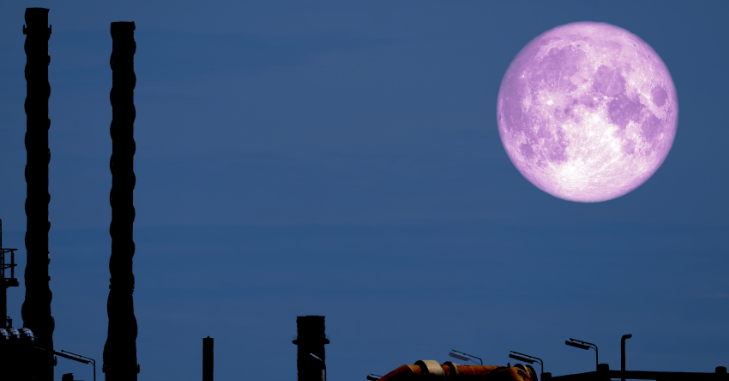
The Strawberry Moon is the traditional name for the full moon in June. Like other full moons throughout the year, it is named after seasonal events, weather changes, farming cycles, or natural phenomena observed by ancient communities.
The moon itself looks similar to a regular full moon. However, depending on weather conditions and its position in the sky, it can sometimes appear golden, orange, or slightly reddish near the horizon, enhancing its magical appearance. The Strawberry Moon usually occurs close to the beginning of summer in the Northern Hemisphere. Because of its timing, it has long been associated with growth, harvest, fertility, and fresh beginnings.
Why Is It Called Strawberry Moon?
The name “Strawberry Moon” comes mainly from Native American tribes, especially the Algonquin people of northeastern North America. These communities closely followed lunar cycles because the moon helped them track seasons and organize agricultural activities.
June was the season when wild strawberries became ripe and ready for harvesting. As a result, the full moon appearing during this period became known as the Strawberry Moon. The moon did not represent the color of a strawberry. Instead, it marked the short but important strawberry harvesting season that brought food and abundance to local communities.
The Ancient History Behind the Strawberry Moon

Long before modern calendars existed, ancient civilizations used the moon as a natural clock. Each full moon had a name connected to important seasonal events. These names helped communities remember weather patterns, planting seasons, hunting periods, and harvesting times.
Different cultures also gave June’s full moon their own names, including:
- Rose Moon in Europe
- Hot Moon because of rising summer temperatures
- Honeymoon due to traditional June marriages and honey harvesting
- Mead Moon is linked to the production of mead, a fermented honey drink.
These names reflect how different societies connected lunar events with daily life and seasonal traditions.
Native American Traditions and the Strawberry Moon
For Native American tribes, the moon held deep spiritual and practical importance. Lunar cycles guided farming, fishing, hunting, and ceremonial activities.
The Strawberry Moon symbolized:
- Renewal of life
- Seasonal abundance
- Gratitude for nature’s gifts
- Family gatherings and celebrations
- The beginning of summer harvesting
Many tribes celebrated the arrival of strawberries because they represented sweetness, health, and prosperity. Some communities even held festivals and spiritual ceremonies during this period to honor the Earth’s abundance. The Strawberry Moon was not just an astronomical event. It was deeply connected to survival, culture, and spiritual balance.
Does the Strawberry Moon Actually Look Pink or Red?

One of the biggest misconceptions is that the Strawberry Moon turns bright pink or strawberry colored. The moon usually appears in its normal golden-white color.
However, under certain atmospheric conditions, the moon may appear:
- Orange
- Amber
- Deep yellow
- Slightly reddish near the horizon
This effect happens because Earth’s atmosphere scatters light differently when the moon is low in the sky. Although the color can sometimes look warm or rosy, the name “Strawberry Moon” is not based on the moon’s appearance.
Spiritual Meaning of the Strawberry Moon
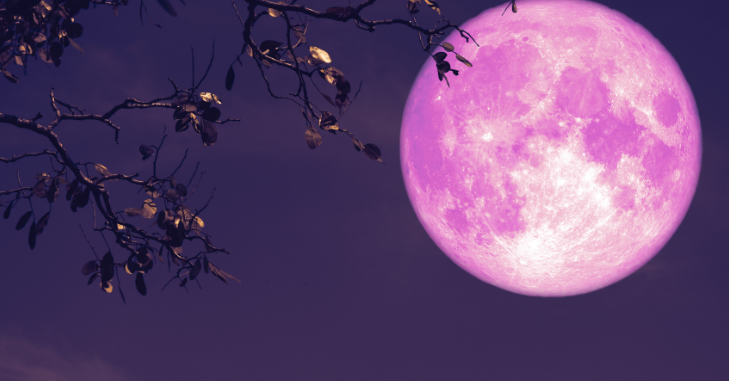
In modern spirituality and astrology, the Strawberry Moon is often associated with emotional healing, transformation, love, and personal growth. Many people believe this full moon carries powerful energy because it arrives during a season of warmth, expansion, and abundance.
Common Spiritual Meanings Include
Emotional Release
The Strawberry Moon is believed to help people let go of emotional burdens, negative thoughts, and past stress.
Love and Relationships
Because June is traditionally associated with romance and weddings, the moon is often linked to love, compassion, and emotional connection.
Abundance and Gratitude
The symbolism of harvesting encourages gratitude for achievements, opportunities, and blessings.
New Beginnings
The moon marks the transition into summer, making it a popular time to set goals and embrace personal change. Many people practice meditation, journaling, moon rituals, or manifestation activities during the Strawberry Moon to reflect on their lives and focus on positive energy.
Fascinating Facts About the Strawberry Moon
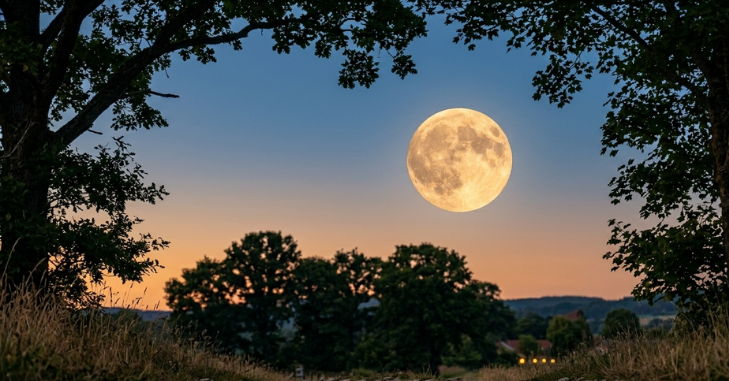
The Strawberry Moon is filled with interesting facts that make it even more special for skywatchers and astronomy lovers.
It Is the Last Full Moon of Spring
In many years, the Strawberry Moon becomes the final full moon before the summer solstice officially begins.
It Appears Lower in the Sky
The June full moon often sets lower on the horizon, creating a larger, more dramatic visual effect known as the “moon illusion.”
It inspired the Term “honeymoon.”
Some historians believe June’s honeymoon traditions helped inspire the modern term “honeymoon,” since many weddings were held during this month.
It Is Popular in Astrology
Astrologers often view the Strawberry Moon as a time of emotional clarity, reflection, and inner transformation.
Different Cultures Have Different Names
Although “Strawberry Moon” is widely used today, cultures around the world continue to use unique names based on local traditions and seasonal changes.
Best Time to Watch the Strawberry Moon

The best time to observe the Strawberry Moon is shortly after moonrise. This is when the moon looks the largest and most colorful near the horizon.
Tips for Better Viewing
- Choose a location with minimal city lights.
- Watch from open fields, rooftops, or hilltops.
- Check local moonrise timing.
- Use binoculars or a telescope for detailed viewing.
- Photograph the moon during sunset for dramatic images.
Clear skies and low light pollution greatly improve the experience.
Why the Strawberry Moon Remains So Popular Today?
In today’s fast-moving digital world, celestial events like the Strawberry Moon help people reconnect with nature and appreciate the beauty of the universe. Social media has also increased interest in lunar events, with millions sharing photographs of the moon, spiritual interpretations, and skywatching experiences every year.
The Strawberry Moon remains popular because it combines:
- Natural beauty
- Ancient traditions
- Cultural history
- Spiritual symbolism
- Scientific fascination
It appeals to both astronomy lovers and people seeking emotional or spiritual meaning.
Strawberry Moon in Modern Culture
The Strawberry Moon has become a major topic in:
- Astrology communities
- Social media trends
- Photography circles
- Wellness and spiritual practices
- Travel and tourism experiences
Many festivals, moon gatherings, and outdoor events are now organized around major lunar events, especially during the summer months. The moon’s romantic and mystical reputation continues to inspire music, poetry, art, and storytelling around the world.
Scientific Explanation of a Full Moon
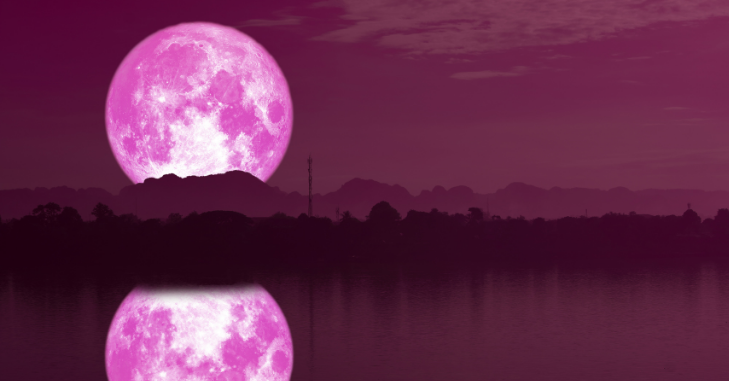
A full moon occurs when Earth is positioned between the Sun and the Moon, allowing the Moon’s visible surface to become fully illuminated. The Strawberry Moon follows the same scientific process as any other full moon. The difference lies mainly in its timing and cultural significance. Because June often has warmer atmospheric conditions, the moon can appear softer, larger, and more colorful compared to winter full moons.
How Different Cultures Celebrate June’s Full Moon?

Across the world, June’s full moon carries unique cultural meanings.
European Traditions
- In parts of Europe, the Rose Moon symbolizes blooming flowers and romance.
Chinese Traditions
- Some lunar festivals celebrate family unity, harmony, and seasonal transitions.
Pagan and Wiccan Practice
- Modern spiritual groups often perform moon rituals focused on healing, abundance, and manifestation.
Indigenous Communities
Many Indigenous cultures continue to honor lunar cycles through storytelling, ceremonies, and agricultural traditions. These celebrations show how deeply humans have always connected with the moon.
Conclusion
The Strawberry Moon is much more than a beautiful full moon shining in June’s night sky. Its name carries centuries of history, cultural wisdom, agricultural tradition, and spiritual symbolism. Originating from Native American harvesting practices, the Strawberry Moon became a powerful symbol of abundance, gratitude, renewal, and seasonal change.
Although the moon does not actually turn strawberry-colored, its warm glow and emotional significance continue to captivate millions of people worldwide. Whether you enjoy astronomy, spirituality, photography, or simply the beauty of nature, the Strawberry Moon offers a meaningful reminder of humanity’s timeless connection to the skies above.
As each June arrives, this famous full moon continues to inspire wonder, reflection, and appreciation for the natural rhythms of life.
If you want to read an interesting article about it, explore our Business category.
Frequently Asked Questions (FAQs)
The name comes from Native American tribes who associated June’s full moon with the short strawberry harvesting season.
No, the moon usually appears golden or white. The name is related to strawberry harvesting, not the moon’s color.
The Strawberry Moon appears every year during the month of June.
The Strawberry Moon itself is not rare because it occurs annually, but certain visual effects or astronomical alignments can make it especially memorable.
It is commonly associated with emotional healing, love, abundance, personal growth, and new beginnings.
Yes, many photographers capture stunning images during moonrise when the moon appears larger and more colorful near the horizon.

