DIY greenhouse ideas have become an increasingly popular solution for gardeners who want to enjoy year-round planting without the high cost of commercial greenhouse structures. These ideas offer a practical and creative approach to building a controlled growing environment using affordable, recycled, or easily available materials.
Instead of requiring large investments, DIY greenhouses allow individuals to design flexible setups based on their needs, making gardening more accessible and budget-friendly. Options like PVC pipe greenhouses are especially popular among beginners due to their lightweight structure, flexibility, and easy assembly process.
For those focused on sustainability, recycled materials such as old window frames or plastic bottles can be repurposed into eco-friendly greenhouse structures that reduce waste while supporting plant growth. Hoop house designs, created using curved pipes covered with plastic sheets, are another simple yet highly effective option for protecting seasonal crops.
| Section | Key Points Summary |
| DIY Greenhouse Ideas | DIY greenhouses are affordable, creative, and allow year-round gardening using simple or recycled materials. |
| Purpose | Provides a controlled environment for plants with better temperature, humidity, and sunlight management. |
| Popular DIY Types | PVC pipe, wooden frame, hoop house, plastic bottle, and old window greenhouses. |
| Benefits | Year-round gardening, cost savings, pest protection, better plant control, and sustainable living. |
| Best Materials | PVC, wood, metal frames with plastic sheets, polycarbonate, or glass covers. |
| Location Tips | Needs 6–8 hours of sunlight, good drainage, and protection from strong winds. |
| Climate Control | Uses vents, fans, shade cloths, heaters, and thermal mass for temperature balance. |
| Watering Systems | Manual watering, drip irrigation, and automated systems for efficient hydration. |
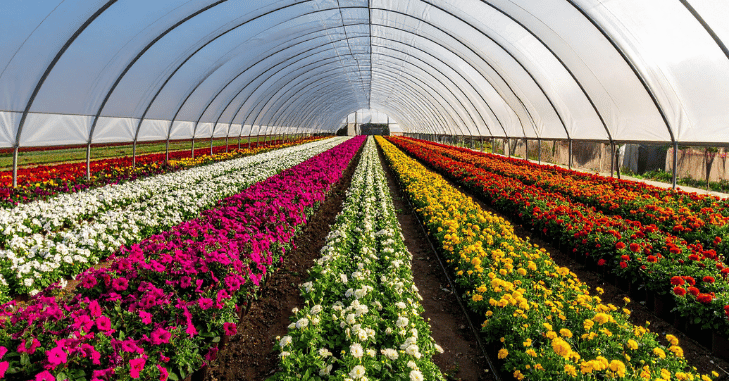
| Plant Types | Vegetables, herbs, flowers, and seedlings grow best in greenhouse conditions. |
| Common Mistakes | Poor ventilation, weak structure, overwatering, and wrong placement reduce effectiveness. |
| Maintenance | Cleaning panels, checking pests, repairing damage, and maintaining humidity levels. |
| Cost Factor | Ranges from very cheap recycled setups to expensive glass greenhouse structures. |
| Final Outcome | Improves plant growth, extends seasons, and enables efficient home gardening. |
DIY Greenhouse Ideas
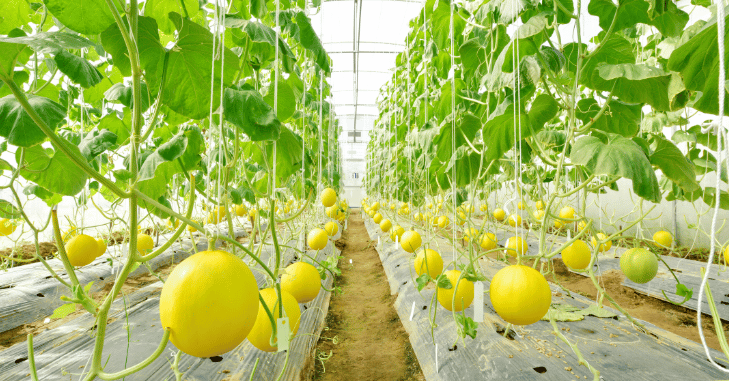
DIY greenhouse ideas offer a practical and creative way for gardeners to grow plants in a controlled environment without spending a large amount of money on commercial structures. These ideas focus on using affordable, recycled, or easily available materials to build a functional greenhouse that suits different spaces such as backyards, rooftops, balconies, or even small garden corners.
Common DIY options include PVC pipe greenhouses, which are lightweight, flexible, and easy to assemble, making them ideal for beginners, as well as wooden frame greenhouses that provide durability and a more permanent structure for long-term gardening.
These DIY greenhouse ideas not only help protect plants from harsh weather conditions but also allow better control over temperature, humidity, and sunlight, making them an excellent solution for improving plant growth and extending the gardening season throughout the year.
Benefits of Building a DIY Greenhouse
| Benefit | Description |
| Year-Round Gardening | A greenhouse protects plants from extreme heat, frost, wind, and heavy rain, allowing crops to grow in all seasons without interruption. |
| Better Plant Control | It allows you to manage temperature, humidity, and ventilation, resulting in healthier plants and improved crop yields. |
| Cost Savings | Growing vegetables, herbs, and fruits at home helps reduce grocery expenses and provides long-term financial benefits. |
| Protection from Pests | The enclosed environment reduces exposure to insects, birds, and animals, minimizing crop damage and plant loss. |
| Sustainable Living | A greenhouse supports eco-friendly living by reducing food waste and encouraging fresh, home-grown produce. |
Simple DIY Greenhouse Ideas for Beginners
Plastic Bottle Greenhouse
This is one of the most affordable and eco-friendly options. Recycled plastic bottles are cut and joined together to create walls for the greenhouse. It is lightweight, easy to assemble, and perfect for small plants or seedlings.
PVC Pipe Greenhouse
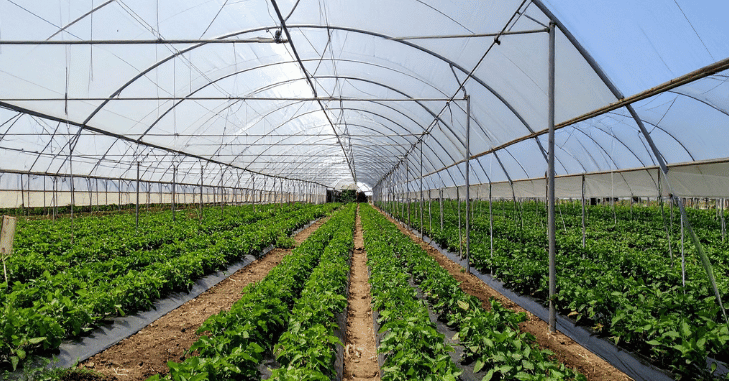
A PVC greenhouse uses flexible plastic pipes to create a dome or tunnel structure. It is covered with plastic sheeting for protection. This design is popular because it is cheap, easy to build, and portable.
Wooden Frame Greenhouse
A wooden greenhouse offers durability and a natural aesthetic. The frame is built using timber, and clear plastic or glass panels are installed for sunlight. This option is ideal for long-term use and provides strong resistance against wind and weather conditions.
Old Window Greenhouse
This creative idea uses recycled old window frames to build the greenhouse walls. It gives a rustic, vintage look while providing excellent insulation and light entry. It is a great upcycling project for people who want a stylish and eco-friendly greenhouse.
Hoop House Greenhouse
A hoop house is made using bent metal rods or PVC pipes covered with greenhouse plastic. It is widely used by farmers because it is inexpensive, quick to set up, and suitable for growing vegetables on a larger scale.
Best Materials for DIY Greenhouses

Choosing the right materials is essential for durability and plant growth.
Frame Materials
- PVC pipes for flexibility and low cost
- Wood for strength and natural insulation
- Metal for long-lasting and heavy-duty structures
Covering Materials
- Polyethylene plastic sheets for affordability
- Polycarbonate panels for durability and insulation
- Glass panels for maximum light and aesthetic appeal
Flooring Options
- Soil for natural planting beds
- Gravel for drainage and cleanliness
- Concrete for permanent structures
Location Tips for Setting Up a Greenhouse
Proper sunlight exposure is one of the most important factors when setting up a greenhouse, so it should be placed in a location that receives at least 6 to 8 hours of direct sunlight daily to ensure optimal plant growth, healthy photosynthesis, and consistent crop development.
Wind protection is equally important because strong winds can damage the structure and affect internal temperature, so choosing a naturally sheltered area or installing wind barriers such as fences, hedges, or screens helps maintain stability and protect plants.
Good drainage is also essential, as placing the greenhouse in low-lying areas where water tends to collect can lead to excess moisture, root rot, and structural damage over time, so slightly elevated and well-drained ground is always preferred.
Temperature and Ventilation Control

Proper airflow and temperature management are critical in a greenhouse.
Ventilation Systems
- Install vents to allow hot air to escape naturally
- Add windows for improved cross-ventilation
- Use exhaust fans to actively remove excess heat
Shade Management
- Use shade cloths to reduce direct sunlight during hot weather
- Protect delicate plants from heat stress and sunburn
- Lower overall greenhouse temperature during extreme conditions
Heating Options
- Use small heaters to maintain stable temperatures in cold climates
- Place water barrels inside the greenhouse to absorb and slowly release heat
- Position thermal mass materials where they can receive sunlight during the day
Watering Systems for DIY Greenhouses
Manual watering is the simplest irrigation method and works best for small greenhouse setups where gardeners can easily use watering cans or hoses to control the amount of water each plant receives. It allows for direct attention to individual plants but requires regular effort and time.
Automated systems take convenience to the next level by using timers, sensors, or smart controllers to manage watering schedules automatically, ensuring plants receive consistent hydration without the need for daily manual intervention, making them ideal for larger or more advanced greenhouse setups.
Creative Design Ideas for DIY Greenhouses
- Use shelves and vertical racks to grow more plants in limited space.
- Perfect for urban homes where ground space is limited.
- Small glass cabinets or containers are used for herbs and seedlings indoors.
- Build the greenhouse against a wall of your home to save space and improve heat efficiency.
Common Mistakes to Avoid
Poor ventilation in a greenhouse or gardening setup significantly affects plant health because trapped heat and humidity overheat the plants and increase the risk of mold, mildew, and fungal diseases. A weak frame structure is another major issue, as using low-quality or poorly assembled materials can make the greenhouse unstable and more likely to collapse during strong winds, heavy rain, or harsh weather conditions, putting both plants and structure at risk.
Overwatering is also a common mistake that can seriously damage plant growth, as excess water suffocates roots, leads to poor oxygen flow in the soil, and encourages fungal infections and root rot. Similarly, incorrect placement of a greenhouse or garden setup can limit plant development, since insufficient sunlight exposure or poor drainage conditions can slow growth, reduce yield, and create long-term maintenance problems for plants.
Maintenance Tips for DIY Greenhouses
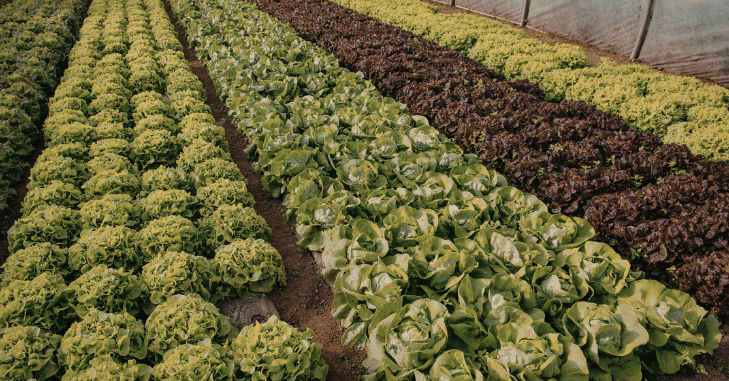
- Clean panels regularly to allow maximum sunlight
- Check for pests and diseases frequently
- Repair any tears or damage in the covering materials
- Maintain proper humidity levels
- Rotate crops to maintain soil health
Best Plants for DIY Greenhouses
| Plant Category | Examples | Why They Grow Well in a Greenhouse |
| Vegetables | Tomatoes, cucumbers, lettuce, spinach, peppers | They thrive in controlled temperatures and consistent moisture, which improves growth speed and yield |
| Herbs | Basil, mint, parsley, coriander | They prefer warm, stable environments and benefit from protection against harsh weather and pests |
| Flowers | Roses, orchids, marigolds | Stable humidity and temperature help maintain strong blooms and longer flowering periods |
| Seedlings | All types of young plants are grown from seeds | Greenhouses provide ideal early growth conditions before transplanting outdoors safely |
Cost of Building a DIY Greenhouse

The cost depends on size and materials:
- Small plastic greenhouse: very low cost
- PVC greenhouse: budget-friendly
- Wooden greenhouse: moderate cost
- Glass greenhouse: high-end and expensive
- You can build even a basic setup on a small budget using recycled or affordable materials.
Conclusion
DIY greenhouse ideas offer a practical and creative way to improve gardening productivity while saving money and promoting sustainability. Whether you choose a simple PVC structure or a more advanced wooden or glass design, the key is to balance sunlight, ventilation, and durability.
A well-built greenhouse not only extends your growing season but also gives you full control over plant health and productivity. With the right planning and materials, anyone can create a successful home greenhouse that supports year-round gardening with fresh, healthy produce.
Want to know about Black Accent Wall Bedroom Design Guide: A Complete Modern Interior Styling Blueprint for Creating Elegant, Luxurious, and Balanced Sleeping Spaces with Color Psychology Check out our Home Improvement category.
FAQs
A DIY greenhouse is a self-built structure made using affordable or recycled materials that helps create a controlled environment for growing plants year-round.
Common materials include PVC pipes, wood, metal frames, plastic sheets, polycarbonate panels, and recycled items like old windows or bottles.
Most greenhouses need at least 6 to 8 hours of direct sunlight daily for healthy plant growth and proper photosynthesis.
PVC pipe greenhouses, hoop houses, and plastic bottle greenhouses are the easiest and most budget-friendly options for beginners.
Yes, vegetables like tomatoes, cucumbers, lettuce, spinach, and peppers grow very well in greenhouse environments.
No, DIY greenhouses are usually very affordable. Costs depend on size and materials, and many can be built cheaply using recycled or low-cost supplies.