Most women’s white jeans go see-through for one reason: the fabric is too light. Look for denim around 10 to 12 oz per square yard, elastane at or under 2 percent, and pocket bags cut from the same cloth. Test it by squatting in front of a bright window before you buy.
That single number, the ounce weight, causes more returns than any styling error.
Retailers almost never print it. So this guide covers how to find it anyway, what to wear underneath, how to wash a white pair without yellowing it, and what changes as the price climbs.
White denim at a glance
| What to check | What works | What fails |
|---|---|---|
| Fabric weight | 10 to 12 oz per square yard | Under 9 oz, sheer across the seat |
| Stretch content | 0 to 2 percent elastane | 3 percent or more, thins under load |
| Pocket bags | Self-fabric, doubled or bonded | Thin white mesh you can read through |
| Weave | Tight twill, even yarn | Loose or heavily slubbed weave |
| Cut for coverage | Straight, wide or barrel leg | Skinny in a high-stretch fabric |
| Underwear | Bonded edges, matched to your skin tone | White, lace, or contrast seams |
| Whitening agent | Oxygen bleach | Chlorine bleach on any elastane blend |
| Price for a genuinely opaque pair | $80 to $150 | Under $50, usually 8 to 9 oz |
Key takeaways
- Weight beats brand. Denim under 9 oz per square yard shows your underwear whatever the label cost.
- Stretch is the hidden variable. Cloth that thins as it stretches looks opaque on the hanger and sheer on your body.
- Wear underwear with bonded edges, in your own skin tone. White reflects more light than skin does, so it reads as a bright block.
- Never put chlorine bleach near a blend containing elastane. It yellows the fiber, and the yellow does not come out.
- Sunscreen ruins more white denim than mud does, and it lands rust orange.
- There is no rule about Labor Day. There never really was one.
Why white denim goes see-through
Fabric weight is the first number to look for
Denim is sold by weight, in ounces per square yard. Across the whole category the range runs from about 9 oz to 32 oz, and 11 to 14 oz counts as typical for a pair of jeans. Women’s stretch denim usually lands under that band, somewhere between 8 and 10 oz, because lighter cloth feels softer and costs less to weave.
In indigo you would never notice. In white it is the whole story.
Brands rarely publish the figure, so ask. Customer service can normally pull it from the tech pack, and a brand that cannot answer is telling you something too. With no number available, weigh the pair against chinos you already trust.
Stretch, weave, and what sits behind the cloth
Elastane changes the math. A blend at 1 percent behaves close to rigid denim and holds its thickness when you sit down. At 3 percent or more the fabric travels further, and a stretched yarn is a thinner yarn. That is exactly why a pair passes on the hanger and fails across the thigh.
The weave carries the rest of the load. Denim is a twill, meaning the weft passes under two or more warp threads, which packs the surface tightly. Slubby or loosely set yarn leaves gaps, and light goes straight through them.
Then there is construction you get for free. Front pocket bags act as a second layer over the hip, so bags cut from the jean’s own fabric add real coverage. Thin mesh bags add none.
The fitting room test, four steps
- Stand under the brightest light in the room and squat. Watch the seat and the outer thigh in the mirror behind you.
- Pinch the fabric across your thigh and pull. If the weave opens between your fingers, it opens when you sit.
- Hold a phone flashlight behind the leg. Some glow passes through any cloth, but a visible shadow of your hand means the pair is too light.
- Take one photo with the camera flash on. Flash is harsher than any restaurant, and it shows what the person behind you sees.
Do all four. Fitting room lighting is engineered to flatter, and daylight is not.
What to wear underneath
White underwear beneath white denim is the mistake almost everyone makes first. It seems logical. It is backwards.
Bleached cotton reflects more light than skin does, so it reads through the fabric as a bright rectangle while the leg around it stays neutral. Underwear in your own skin tone reflects roughly what your skin reflects, and the eye stops finding an edge. Nude is not one color, so match yourself, not a packet label.
Seams are the second problem, and on pale denim they draw beautifully. Look for laser-cut or bonded edges rather than stitched elastic, and skip lace entirely. A no-seam thong or a smooth full brief both work; the deciding factor is the edge, not the coverage.
Keeping them white: washing, bleach and yellowing
The wash routine
- Wash white denim on its own, or with other whites only. One new indigo pair in the same drum will tint the whole load.
- Turn them inside out and use cold or warm water. Hot water sets protein and oil marks you have not spotted yet.
- Use oxygen bleach, not chlorine bleach, whenever the white needs lifting. A warm soak of an hour does more than a hot cycle.
- Skip the dryer. Heat bakes in sunscreen and body oil, and both surface later as a yellow cast around the waistband and the back of the knee.
- Store them folded in a drawer rather than sealed in plastic or cardboard, which yellows cotton over a season.
Chlorine bleach deserves its own warning. Sodium hypochlorite attacks elastane, and the damage shows up as a permanent yellow tinge plus slack recovery at the knee. That is the reason “do not bleach” appears on the care label of nearly every stretch jean. Oxygen bleach, the powdered kind, leaves the fiber alone.
Dye transfer is the stain nobody warns you about. A navy leather tote resting against your hip for an afternoon leaves a gray bloom that looks like dirt and is not. On white days, carry a light-colored weekender bag or a canvas one, and keep a new dark denim jacket off your lap in the car.
Stains, one by one
| Stain | What to do | What not to do |
|---|---|---|
| Indigo or dye transfer from a car seat, raw denim jacket or dark handbag | Rubbing alcohol on a white cloth, blotting outward, then a cool wash with dish soap | Any heat before the color lifts |
| Sunscreen, showing as rust orange | A rust remover made for fabric, or a long oxygen bleach soak | Chlorine bleach, which locks the color in |
| Grass | Enzyme detergent worked into the fibers, then a warm oxygen bleach soak | Hard scrubbing, which drives chlorophyll deeper |
| Oil, butter or salad dressing | Cornstarch to draw it out, brushed off after an hour, then dish soap | Water first, which spreads the ring |
| Red wine | Blot, flush from the back of the fabric with cool water, then soak | Hot water, which sets the tannin |
| Foundation at the waistband | Micellar water or dish soap on a cotton pad, dabbing only | Rubbing, which pushes pigment into the twill |
Sunscreen is worth understanding rather than just treating. Avobenzone, the filter in most chemical sunscreens, reacts with iron in tap water to form rust, which is why the mark comes out orange instead of white. Well water and older plumbing make it far worse. Rinse sunscreen off your hands before you dress, and treat any mark as rust rather than as grease.
Fit and structure: pockets, seams and shadows
White hides nothing about how a jean is built. Every piece of internal construction reads through the surface, which is why two pairs at the same weight can look completely different on.
Front pocket bags are the loudest offender. Cut from thin mesh, they show as two pale rectangles across the hip, and whatever sits inside them shows too. A phone in a front pocket draws a shadow you cannot style around. Look for bags in self-fabric, doubled, or bonded flat to the panel, and keep them empty.
Back pocket placement does the opposite job, in public. Pockets set slightly high, reasonably large and close together break up the seat. Small pockets set wide and low leave a blank expanse with two dots on it.
Hardware matters more than it does in indigo. Copper rivets and gold topstitching print through pale cloth as bumps and lines, so tonal thread and hidden rivets sit quieter.
Rise and cut settle the rest. A mid to high rise keeps the waistband above the point where the fabric stretches thinnest. Looser legs skim rather than cling, so the cloth never gets pulled thin in the first place. The 2026 denim story runs toward straight-leg minimalism, relaxed low-rise shapes with a soft flare, and wide legs sold on ease. Straight, wide and barrel cuts all suit white jeans better than a body-conscious skinny does.
Can you wear white jeans after Labor Day?
Yes. The rule was never about weather or taste.
It started in the late 1800s among wealthy families in the Northeast. They kept white clothing for the resort season at places like Newport, then put it away on returning to the city. Labor Day became a federal holiday in 1894 and made a convenient marker for that move.
The etiquette books of the era repeated the rule, and it hardened into a way of spotting who knew the codes and who did not. Its origin is social gatekeeping, nothing else. Wear white jeans in November with a heavy sweater and boots, and nobody living will mind.
Styling by season and occasion
This is the part every other page already covers, so here it is compressed.
| Season or occasion | Pair with | Shoes |
|---|---|---|
| Spring, everyday | Striped cotton knit, trench, tan belt | White sneakers or loafers |
| Summer, hot city day | Loose linen shirt, straw tote | Flat sandals or slides |
| Fall | Camel or oatmeal knit, suede jacket | Ankle boots |
| Winter | Ivory sweater, gray wool coat | Tall boots |
| Office | Navy blazer, silk shell | Pointed flats |
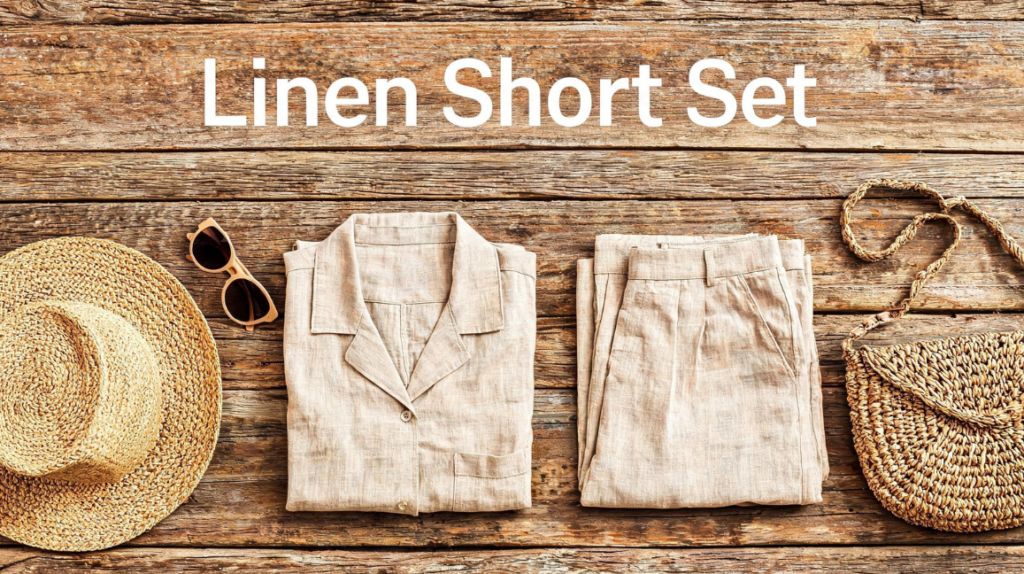
One note on summer. When the day is genuinely too hot for denim, a matching linen short set covers the same ground with none of the opacity risk.
Shoes decide how formal the outfit reads. Pale denim sits dressier than people expect, so keep flat leather flip flops for the sand and reach for a slide on the sidewalk. In colder months, an ivory or oatmeal top beside true white looks deliberate.
What to pay for women’s white jeans
| Price | What you usually get | Typical weight and stretch |
|---|---|---|
| Under $60 | Mass-market stretch denim, thin mesh pocket bags, no lining | 8 to 9.5 oz, 2 to 3 percent elastane |
| $60 to $120 | Rigid and low-stretch options appear, doubled or self-fabric pocket bags | 9.5 to 11.5 oz, 0 to 2 percent |
| $120 to $250 | Premium mill fabric, bonded pocket bags, a cleaner white that survives washing | 11 to 13 oz, often rigid |
| Over $250 | Cut, finish and name. Construction gains flatten out here | Similar to the tier below |
We recommend the $80 to $150 band, in a rigid or 1 percent stretch fabric, with a mid or high rise and a straight leg. That combination solves opacity without costing you comfort, and it is where the jump in pocket bag construction happens. Spending more buys a better cut and a crisper finish, not more coverage.
One caveat on the cheap tier: a thin pair is not useless, it needs help. A longline knit or a nude no-seam brief will carry an 8 oz pair through a season.
Frequently asked questions
Are women’s white jeans always see-through?
No. Opacity tracks fabric weight and stretch content, not color. A rigid 12 oz pair blocks light as well as any indigo jean, while an 8 oz pair with 3 percent elastane will not. Check the ounce figure and the elastane percentage before the price.
What color underwear should I wear under white denim?
Something seamless in your own skin tone. White shows as a brighter patch because it reflects more light than skin, and black obviously prints straight through. Avoid lace and stitched elastic edges, which telegraph even under heavier fabric.
Will chlorine bleach keep them white?
It will do the reverse on anything with elastane in it. Chlorine turns the fiber yellow permanently and slackens the stretch. Use powdered oxygen bleach in a warm soak instead, and repeat it rather than raising the dose.
Can you wear white in winter?
Yes, and the styling is easier than in summer. Cream knits, wool coats and tall boots make the pale leg read as a deliberate choice. Cold weather also suits the heavier, rigid denim that white flatters most.
How often should I wash them?
More often than indigo, because marks build up invisibly before they show. Spot-clean the waistband and hem after each wear, then run a cold cycle every third or fourth wear.
Is rigid better than stretch?
For coverage, yes. Rigid denim keeps its thickness under load, so it stays opaque when you sit, crouch or climb stairs. Stretch wins on comfort and recovery, and 1 percent is the sensible compromise.
Your next step
Pick one pair you already own and run the four-step test on it tonight. If it fails at the squat, you now know why, and you know the two numbers to ask about before you replace it: the ounce weight and the elastane percentage. Everything else on the label is decoration.