


If you’ve ever considered taking creatine, you’ve probably asked the common question: Does creatine make you gain weight? This concern often stops people from using one of the most researched and effective fitness supplements available.
The truth is more nuanced than a simple yes-or-no. Creatine can increase body weight, but not in the way many people fear. It does not directly cause fat gain. Instead, it influences water retention, muscle growth, and overall body composition in ways that can actually improve your fitness results.
In this guide, we break down 7 science-backed facts to help you understand exactly what happens to your body when you take creatine, and whether that number on the scale is something to worry about.
| # | Factor | Type of Weight Change | Timeline | What Happens in the Body | Impact on Appearance |
| 1 | Water Retention | Temporary weight gain | First 5–7 days | Water is pulled into muscle cells | Muscles look fuller |
| 2 | Muscle Growth | Lean mass increase | 4–12 weeks | Increased protein synthesis and strength | More toned physique |
| 3 | Fat Gain | No direct effect | N/A | Creatine has zero calories | No increase in body fat |
| 4 | Muscle Hydration | Increased cell volume | Immediate | Cells store more water | Improved muscle definition |
| 5 | Performance Boost | Indirect weight impact | Ongoing | Higher energy (ATP production) | Better workout results |
| 6 | Individual Response | Varies by person | Varies | Depends on genetics, diet, and training | Different visible results |
| 7 | Weight Stabilization | Balanced weight | After 2–3 weeks | Water levels normalize | Stable body weight |
What Is Creatine and How Does It Work?
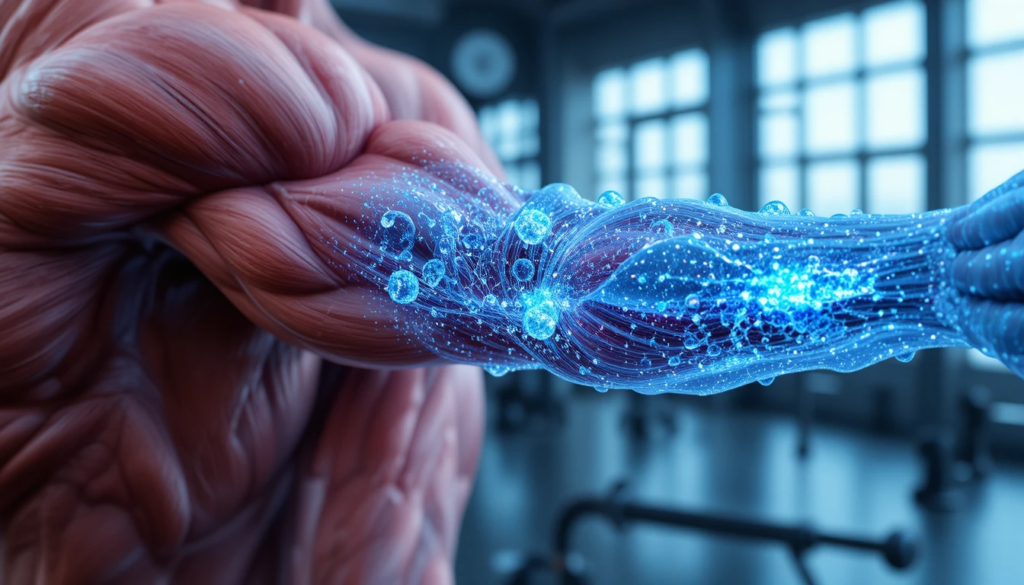
Creatine is a naturally occurring compound found in your muscles that plays a key role in producing energy during high-intensity activities like weightlifting or sprinting. When you supplement with creatine, your muscles store more phosphocreatine, which helps generate ATP, the body’s primary energy source.
As a result, you may experience increased strength, improved performance, and faster muscle recovery. Because of these benefits, creatine is widely used by athletes, bodybuilders, and fitness enthusiasts to enhance their training and overall results.
Does Creatine Make You Gain Weight?
Yes—but not necessarily in a negative way. Creatine can increase body weight through two main mechanisms:
- Water retention inside muscles
- Increased muscle mass over time
It does not directly cause fat gain. Understanding the difference is key to interpreting your results.
7 Science-Backed Facts About Creatine and Weight Gain

1. Initial Weight Gain Is Mostly Water
One of the first things people notice is a sudden weight gain in the first week.
This happens because creatine pulls water into your muscle cells. This process is called intracellular water retention.
What to expect:
• 1–3 kg increase in the first 5–7 days
• Muscles may look fuller
• No increase in body fat
This is not unhealthy—it’s actually a sign that creatine is working.
2. Creatine Increases Muscle Mass Over Time
Over weeks and months, creatine supports muscle growth when combined with resistance training.
Why does this happen?
• Improved workout performance
• Ability to lift heavier weights
• Increased training volume
Muscle weight gain is beneficial and contributes to a stronger, more defined physique.
3. Creatine Does NOT Cause Fat Gain
A common myth is that creatine leads to fat gain. Scientifically, this is incorrect.
Fat gain occurs when you consume more calories than you burn. Creatine itself contains zero calories, so it cannot directly increase body fat.
Important distinction:
• Weight gain, ≠ fat gain
• Creatine supports lean mass, not fat storage
4. Water Weight Is Stored Inside Muscles, Not Under Skin
Unlike bloating caused by a poor diet, creatine-related water retention happens inside muscle cells.
This leads to:
• Fuller muscle appearance
• Improved muscle hydration
• Better performance
It does not create a puffy or soft look when used correctly.
5. Not Everyone Experiences the Same Weight Gain
Individual response to creatine varies.
Factors that influence results:
• Body size and muscle mass
• Diet and hydration
• Training intensity
• Genetics
Some people may gain noticeable weight, while others see minimal changes.
6. Long-Term Use Leads to Lean Body Composition
Over time, creatine helps improve body composition by increasing lean muscle mass and reducing body fat (when paired with proper training).
Long-term benefits:
• Increased muscle density
• Improved strength
• Better metabolic health
Even if your weight increases, your body may look leaner and more toned.
7. Weight Stabilizes After Initial Phase
After the initial water retention phase, your weight typically stabilizes.
At this point:
• Water levels balance out
• Muscle growth becomes the main factor
• No continuous rapid weight gain occurs
This makes creatine safe for long-term use when taken properly.
Creatine Weight Gain Breakdown Table
| Factor | Type of Weight Gain | Timeline | Effect on Body |
| Water Retention | Intracellular water | First 1–2 weeks | Fuller muscles |
| Muscle Growth | Lean muscle mass | 4–12 weeks | Increased strength |
| Fat Gain | None (directly) | N/A | No impact |
| Performance Boost | Indirect effect | Immediate | Better workouts |
| Long-Term Changes | Lean body composition | Ongoing | Improved physique |
Benefits of Creatine Beyond Weight Gain
Creatine offers several advantages beyond changes in body weight, making it one of the most effective supplements for improving overall fitness. It helps enhance strength and power, allowing you to perform better during intense workouts.
In addition, it improves overall exercise performance and supports faster muscle recovery after training sessions. Creatine also increases muscle hydration, contributing to a fuller, healthier appearance and boosting endurance during high-intensity activities.
Should You Be Worried About Weight Gain?
For most people, the answer is no.
The weight gain associated with creatine is:
• Mostly water (initially)
• Then lean muscle (long-term)
• Not fat
If your goal is strength, muscle building, or athletic performance, this type of weight gain is beneficial.
Tips to Use Creatine Without Unwanted Weight Gain Concerns
Start with a Maintenance Dose
Skip the loading phase if you want to avoid rapid water weight gain.
Stay Hydrated
Drink enough water to support muscle hydration.
Track Body Composition, Not Just Weight
Use measurements, photos, or body fat analysis.
Combine with Proper Training
Creatine works best with resistance training.
Maintain a Balanced Diet
Avoid overeating to prevent actual fat gain.
Common Myths About Creatine and Weight Gain

Myth 1: Creatine makes you fat
False—Creatine has no calories.
Myth 2: Weight gain is permanent
False—water weight stabilizes quickly.
Myth 3: Creatine causes bloating
Partially false—water is stored in muscles, not under skin.
Conclusion
So, does creatine make you gain weight? Yes, but positively and beneficially. The initial increase is mostly due to water stored in your muscles, followed by gradual muscle growth over time. Importantly, creatine does not cause fat gain unless your diet leads to excess calorie intake.
Understanding these science-backed facts helps you make informed decisions about your fitness journey. Instead of fearing the scale, focus on performance, strength, and body composition. When used correctly, creatine can be a powerful tool to enhance your results and support long-term health.
If you want to read an interesting article about it, explore our Health category.
FAQs
Yes, you may gain 1–3 kg in the first week due to muscle water retention.
No, creatine does not directly cause fat gain or increase belly fat.
Not necessarily. Consider whether the weight is muscle or water before deciding.
It can slightly increase weight, but it helps preserve muscle during fat loss.

